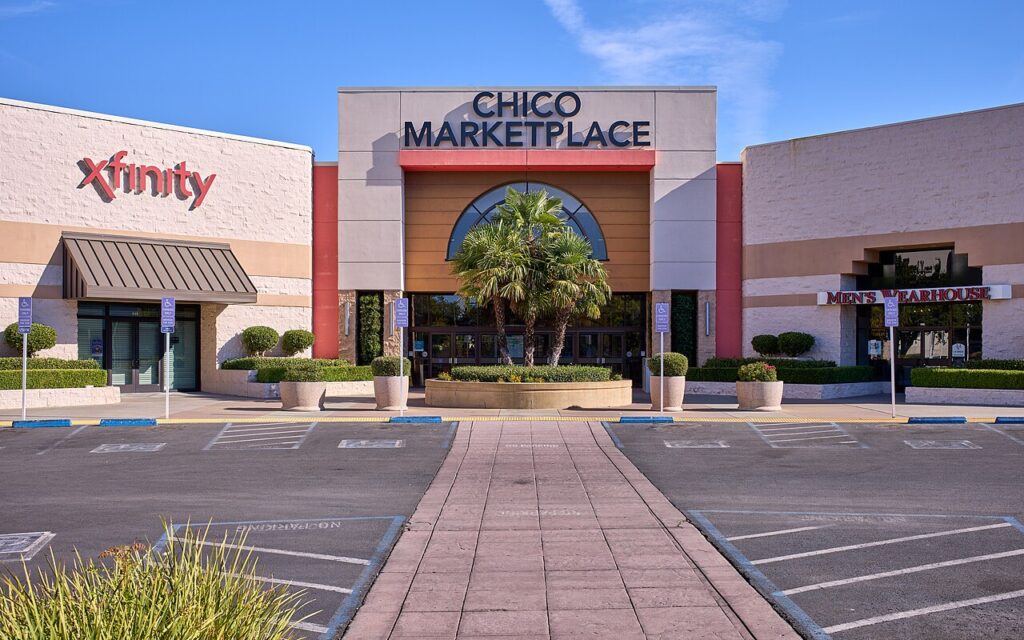
Go One Adventure Park Chico: Summer 2027 Plans, Location & What to Expect
Go One Adventure Park is targeting summer 2027 at Chico Marketplace. Explore the location, reported plans, unanswered questions and parks already open nearby.
Read more ↗ Add your business ↗
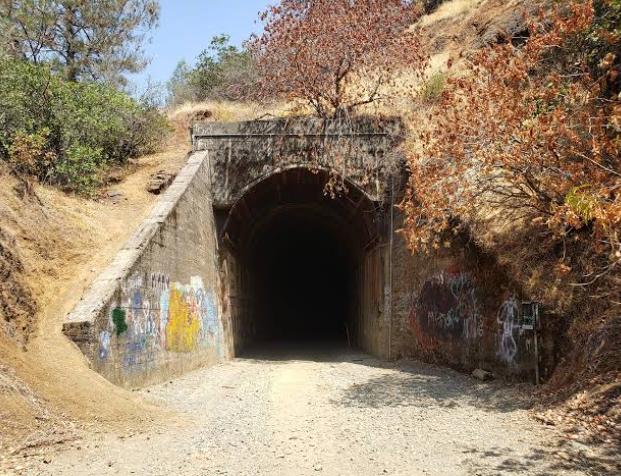
Butte County History — Near Oroville Dam, an old railroad tunnel holds a story that deserves to be remembered alongside the engineering achievement above it. Construction trains once carried material through this route to help build the dam. On October 7, 1965, two of those trains collided, killing four workers.
One important detail is often lost in retellings: the collision did not permanently close the tunnel or end the construction railroad. Repairs followed, and trains returned to work.
The roughly 600-foot tunnel began as part of the Western Pacific Railroad’s original Feather River route, built in 1909. Decades later, preparations for Lake Oroville required a different railroad alignment. The older route found another purpose during construction of Oroville Dam.
Oro Dam Constructors used trains to move fill material from the Oroville area to the dam site. What had been a transportation corridor became part of the machinery of a vast construction project. Loaded trains headed toward the growing embankment; empty cars returned for more material.
The Feather River Rail Society identifies the tunnel as Western Pacific’s original Tunnel No. 4. Its historical account also documents the construction railroad’s rotary dumper at the dam, another reminder that building the structure depended on an extensive transportation system.
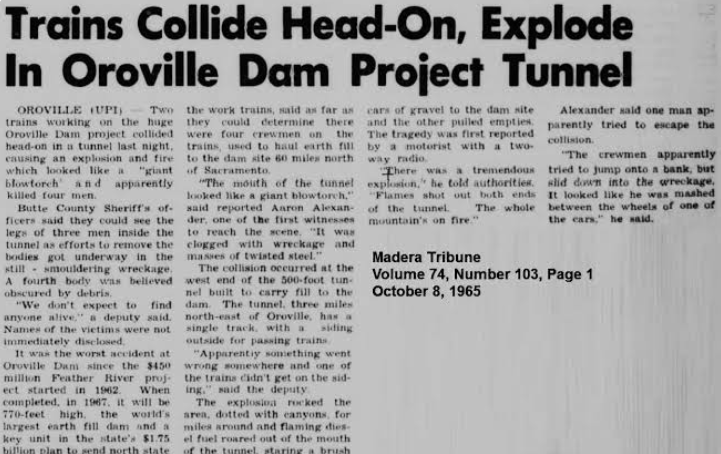
A loaded construction train and an empty returning train collided head-on at the tunnel portal that evening. Fire followed, and four railroad workers lost their lives.
A July 1968 retrospective in Engineers News, published by Operating Engineers Local 3, described the movement of trains through the area: the empty train was supposed to clear the tunnel and use a siding while the loaded train passed. The account emphasized that the precise sequence leading to the collision remained uncertain because the four crew members had died.
Later historical accounts discuss a possible missed signal. That explanation should be treated as a reported theory, rather than a proven finding of individual fault. The surviving sources reviewed for this story do not justify confidently assigning blame to a particular worker.
The wreck interrupted construction, but the tunnel was repaired and hauling resumed. The union’s 1968 account reported improvements to signals and radio communications before full operations restarted.
The railroad’s eventual retirement belongs to the larger story of completing the dam, rather than an immediate shutdown caused by the accident. Oroville Dam was topped out in 1967 and dedicated in May 1968. Once the construction hauling was finished, the route no longer had the same job to perform.
The old railroad grade later became associated with the Brad Freeman Trail. For residents exploring the Oroville area, it offers a connection to the labor behind a landmark that can otherwise seem almost timeless.
Looking for a fun day adventure with a little local history? Visitors can hike to the old train tunnel along the Brad Freeman Trail near Oroville. Bring a flashlight or headlamp to navigate the dark interior, along with water and sturdy walking shoes. Take time to appreciate the scenery and the history behind the route.
Check current Lake Oroville trail information and notices before heading out, and respect closures and posted restrictions. Tunnel lighting and access can change; do not rely on installed lights being available.
The most meaningful way to tell this story is to remember the people involved. The tunnel is more than an unusual destination: it is part of Butte County’s working history, including a night when four families lost someone who had gone to work helping build the dam.
Did a relative work on Oroville Dam, operate construction equipment, or photograph the railroad? FindChico welcomes firsthand memories and historical documents. Please tell us where a photograph came from and whether you have permission to share it. Personal recollections can add valuable context, and we will distinguish those memories from independently verified records.
Explore more things to do in Chico and Butte County, browse Butte County news, or contact FindChico with a historical lead.
KEEP EXPLORING
Go One Adventure Park is targeting summer 2027 at Chico Marketplace. Explore the location, reported plans, unanswered questions and parks already open nearby.
Read more ↗Meet Chico artist Dayton Claudio, whose paintings and textured public installations connect Butte County with communities across the country. Explore his career and artwork, including Chico’s Salem…
Read more ↗Compare David Pittman, Chuck Reynolds and Shawn Webber in Oroville’s 2026 mayoral race, with candidate priorities, documented disputes and official records.
Read more ↗Your local discovery assistant